
Your license. Your judgment. Yours.
You did not spend a decade earning the right to practice dentistry so someone in a corner office could tell you how to do it. Bluetree is doctor-owned and doctor-led. Clinical decisions stay with the treating doctor. Full stop.

Tell us what matters. We'll build a page around you.
Clinical autonomy means something different to every dentist. Tell us what it means to you.
What matters most to you...What we do not touch. What we bring when you want it.
A doctor-led partnership means the clinical work stays with the clinicians. The support is there when you call for it. Never before.
What Bluetree Does Not Touch
- Clinical ProtocolsWe do not impose them. Ever. You decide how you treat.
- Treatment PlansYours entirely. No override, no second-guess, no corporate script.
- Materials and EquipmentYou choose what goes in your patients and what sits in your operatory.
- Pace and Chair TimeYou set them. Nobody outside the practice is watching your calendar.
- Case SelectionYou decide what you treat and what you refer.
What Bluetree Brings When You Want It
- Peer Collaboration40+ doctor-partners across the group, one call away when you want a second opinion.
- CE SupportContinuing education backed by the group. Go deep on whatever you want to master.
- Provider-Led GovernanceDoctors on the board, not consultants. The rules of the group are set by doctors.
- Clinical ResourcesAdvanced tech, specialty referrals, and mentorship available when you call for them.
What autonomy actually looks like inside Bluetree.
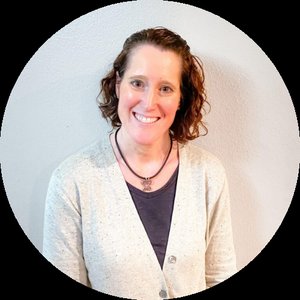
"I have autonomy with my treatment decisions. If there is something that I want to try, I have the freedom to try new things. I also have open communication with my partner orthodontist on our cases."
Aimee Zakaluzny · Associate at Legendary Orthodontics
What clinical autonomy actually means in a dental group.
Clinical autonomy is one of the most-used and least-defined terms in DSO recruiting. Every group claims it. Few actually structure their business to protect it. The test is whether the ownership and governance model gives dentists real authority, or whether clinical decisions ultimately answer to a non-clinical operations team or private equity board.
At Bluetree Dental, dentists hold the majority of the equity. 45+ doctor-partners are shareholders. Clinical standards run through a practicing Chief Clinical Officer and a doctor-partner committee. There is no non-clinical executive telling you which materials to use, which labs to send to, or which cases to accept.
That structure changes what your day looks like. You choose your treatment philosophy. You choose your case selection. You choose your schedule within reasonable operational limits. You choose whether to add a procedure to your practice or refer it out. Business support (billing, HR, marketing, procurement) happens around your clinical practice, not on top of it.
Clinical autonomy questions.
If autonomy matters most to you, these are the specifics worth knowing before you evaluate any dental group.
Does Bluetree require me to use specific materials or labs?
No. We invest in modern equipment because better tools make better dentistry, but we do not dictate how you use them. You choose your materials, your labs, and your equipment preferences within reasonable operational alignment.
Are there production quotas or minimums I have to hit?
No daily production targets. No pressure to upsell. We track production because we run a real business, but there is no quota you have to hit that overrides your clinical judgment.
Can I decline to perform a procedure I do not think a patient needs?
Yes. If a patient does not need it, you do not sell it. That is the standard, not the exception.
Who decides which continuing education I pursue?
You do. CE is supported through our annual conferences and other programs, but you choose what is relevant to your practice.
What if I want to add a new procedure or specialty focus?
The doctor-partner committee reviews clinical additions. If the clinical case is there and it fits the practice, it moves forward. The barrier is clinical rigor, not administrative gatekeeping.